Tactics in Simulated Football
Entering the world of high-level virtual football is akin to stepping into a masterclass of strategic thinking. Beyond basic control mastery lies a deep, layered metagame that defines victory at the elite level. Top competitors in football simulators spend as much time analyzing as they do playing, studying formations and player tendencies. This intellectual layer transforms the game from a simple pastime into a complex sport of the mind. Understanding this tactical depth is key to appreciating the skill on display.
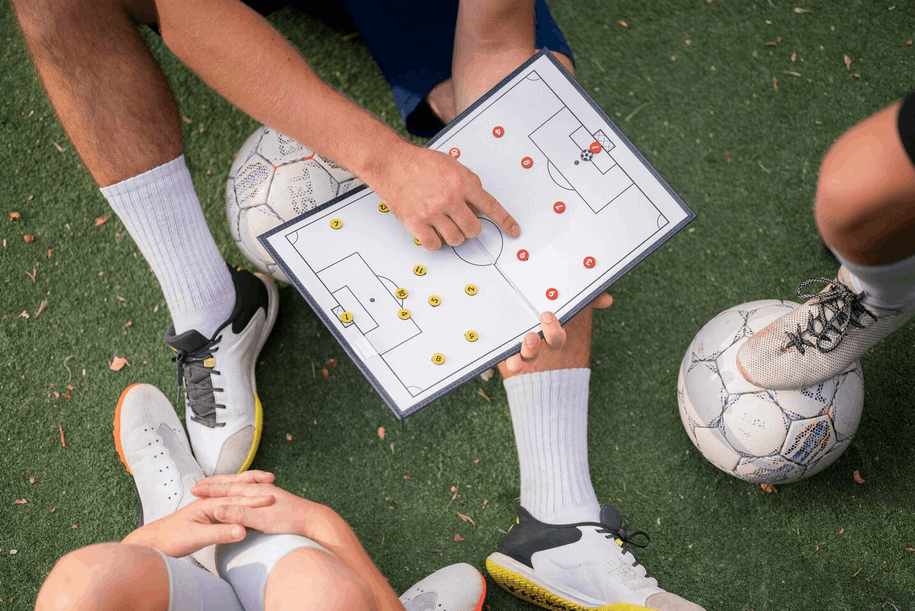
The foundation of any strategy begins long before the match starts, with squad selection and formation design. Every choice involves a trade-off between offensive power, defensive stability, and midfield control. Players must consider the unique attributes of hundreds of virtual athletes, building chemistry and balance. This process mirrors the duties of a real-world manager, demanding foresight and planning. The selected tactical framework sets the stage for everything that happens during the ninety digital minutes.
During a match, strategy becomes a dynamic and fluid conversation between two opponents. It is not enough to have a single plan; one must adapt to the flow of the game and the opponent's actions. Spotting a weakness in the opposing defense might prompt a switch to a more aggressive attacking style. Conversely, protecting a lead could necessitate a shift to a more conservative, possession-based approach. This constant adaptation is what separates competent players from true champions.
Set pieces represent critical tactical moments where games are often won or lost. Dedicated players design intricate routines for corners, free kicks, and throw-ins, practicing them relentlessly. These moments are chess matches within the larger game, testing a player's preparation and creativity. A well-executed set piece can break a stubborn defense or secure a crucial victory in a tight championships match. They are a testament to the importance of meticulous, detailed planning.
The psychological dimension is another crucial, though less visible, aspect of high-level play. Managing momentum, dealing with conceding an unlucky goal, and maintaining focus for the full match are vital skills. Experienced competitors use in-game actions to exert psychological pressure, controlling the tempo to frustrate opponents. This mental warfare is a subtle but powerful tool in the arsenal of any top contender in major sports games.
Learning and evolving one's tactical approach is a never-ending journey. The community surrounding football simulators is rich with shared knowledge, from online forums to tutorial videos shared by experts. Studying replays of one's own matches, especially losses, is an invaluable tool for improvement. Observing how the best players navigate different scenarios in professional championships provides advanced lessons. This culture of continuous learning fuels the ever-rising skill ceiling.
Ultimately, the beauty of tactics in these simulations is their reflection of real football's intellectual heart. They prove that success is built on a combination of preparation, adaptation, and psychological strength. As the platforms evolve, so too will the complexity and sophistication of the strategies employed. For fans, understanding this layer adds immense depth to watching any high-stakes competition. It reveals the brilliant minds operating behind every pass and goal.